Stellwagen Bank, MA

Basking In the Sun


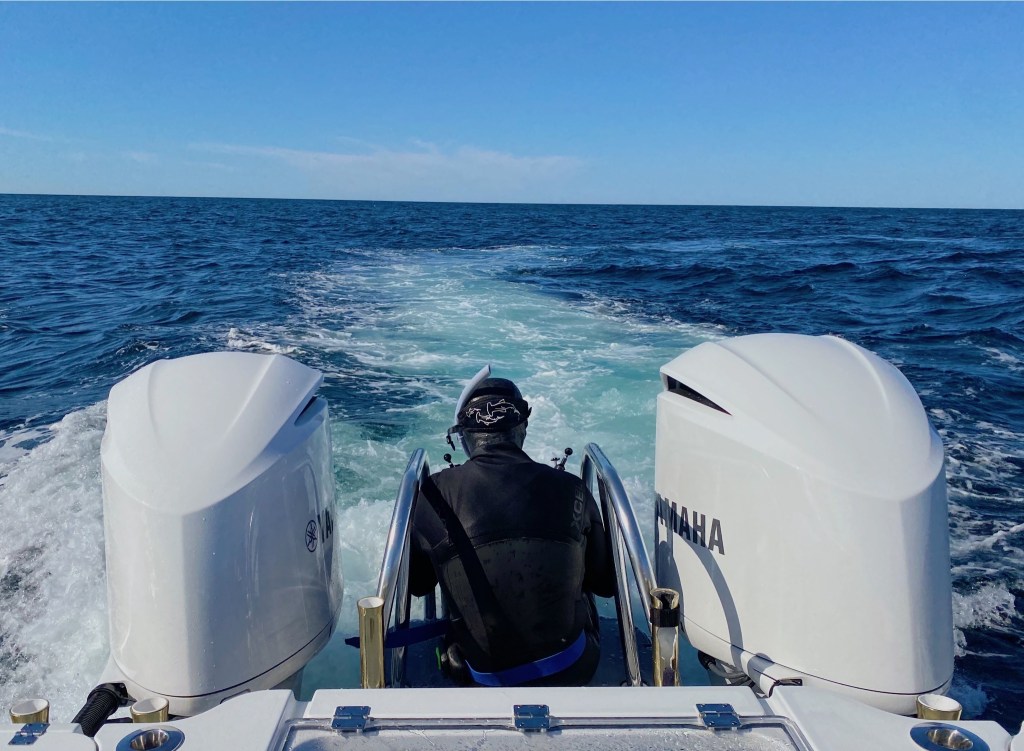
The photogropher sitting on the back platform as we head to catch up with a shark.

My high school biology teacher was not a regular guy, he was always up to something cool. Like when I showed up to class one day and instead of our normal lecture, there were bones lying across our desks. We spent an entire month piecing together a whale skeleton that he found, in order to identify the species as a juvenile pilot whale. I am not sure how much biology I actually learned in that class, but I realized that I was passionate about the environment, especially animal conservation. I knew that my teacher had retired to fully pursue his boat chartering service out of Gloucester MA, so I reached out to see if he knew of any summer internships or marine programs. I was trying to narrow down my interests, maybe marine biology was the path I wanted to follow. He offered me the chance to be a second mate on his boat. I call the experience an internship because I did learn a lot, but others might just call it free labor. We would only be going out a total of eight times over the course of four weeks. I could enjoy the rest of the summer and had an excuse to quit my job working on a farm and head out to sea. My mother, however, was anxious over my excursions and made me bring a personal locator beacon. In theory, a good idea had the beacon been on my body and not stowed away in my bag the whole time. 

All I knew going into my first day was that an underwater photographer wanted to take photos of marine life in Stellwagen Bank, a federally protected marine sanctuary off the east coast of Massachusetts, known for its variety of larger marine life, especially whales. For someone who has lived on the New England coast their entire life, I had never really been interested in diving in the cold murky waters off of Boston; I always tend to head to more tropical waters and therefore lack experience in the North Atlantic Ocean. It’s crazy to know that so much natural life exists just outside of the bustling city of Boston. The photographer was building a portfolio of sea creatures to raise awareness for environmental conservation, especially in city adjacent areas. Somehow I was going to help. 

On my first day, I struggled to find the boat. After walking the docks for 15 minutes, I had to call for help. In my defense, one of the main “landmarks” had been taken down and there were two ramps next to bathrooms… how was I supposed to know which one was the right ramp? Finally, I saw the teal Patagonia SPF fishing shirt that years ago stood in front of the classroom at the whiteboard. I loaded my gear on the boat and met the crew. Besides me and the captain (my bio teacher), there was a first mate and avid fisher, and the photographer. So basically three older men with plenty of experience on the water, and an inexperienced 19-year-old girl. We readied the boat for departure. I have grown up driving smaller Boston Whalers on lakes and in Florida, but I had never been on a serious boat like this. The boat, “The Orca”, had two 225 horsepower outboard motors, a 27-foot long double hull, a tower, and a fancy sonar and radar system that showed you exactly where fish were below the boat (kind of feels like cheating to use while fishing). All this high-tech gear and the thousands of dollars worth of camera equipment sitting in the back of the boat made me feel like I had to be careful where to even breathe.

Before long, we were headed somewhere within the 842 square mile radius of Stellwagen Bank. I just sat in the back facing the engines and quickly learned why they call it the “ejection seat.” Clinging to the seat cushion with each catapult from the waves, I tried to think of anything besides my tendency to get seasick. I sat staring at the land fading in the distance with the occasional tap on my shoulder to the captain asking “you okay buddy?” and giving him a thumbs up in response, rather than trying to yell over the engines. 

About 30 miles off the coast, a man’s voice came over the radio system. The pilot flying overhead was trying to spot animals with his bare eyes. He must have had excellent vision to see dark objects swimming in the vast sea. The goal was for him to spot and direct us so we could get the photographer in the water. For the first two weeks, we would look for basking sharks to photograph. Basking sharks are old-looking bastards with large gills and a nose that juts out. The filter feeders are often found at the surface swimming with their mouths wide open to catch floating plankton. I do not have much experience with sharks, except for seeing the occasional nurse shark while diving in tropical waters. I made sure to do a little research beforehand but was still not prepared to see the second-largest shark species in the world: a 20 to 26 foot animal while sitting in a 27-foot boat.

Finally, the pilot came over the radio indicating that he had found a shark. This was a hurry-up and wait game. We started the engines and rushed to the coordinates the pilot shouted through the speaker. Once in the area, he directed us to the shark by indicating how far it was out and the direction it was swimming in. This way the captain could align the shark with the photographer so, ideally, they would meet head-on. The captain in the tower above could see the shark more clearly than anything I could see at sea level. Once the shark was one boat length (the measurement used to indicate distance, which I found to be very confusing) away and the captain had eyes on it, the photographer slid off the boat into the water. Leaning over the side, I handed him his insanely expensive and delicate camera in a huge underwater housing system. (I don’t even trust myself enough to hold something that expensive, why did they?) The captain, still the only one on the boat able to see the shark, was yelling directions to the photographer in the water, “11 o’clock, 12 o’clock, swim swim swim DIVE DIVE NOW!” Taking a second to register the photographer dove to meet the shark head-on. With visibility in the water only a few feet, neither the shark nor the diver realized they were right in front of each other until the last second. The diver then only had a split second to get a photo before the shark quickly jerked away. This shark changed its direction, passed directly under the boat, and I watched as it disappeared into the deep.

I would then help get the photographer back in the boat and lean off the side to pull up the heavy ladder at the back platform. When a new shark had been spotted or the same one was back at the surface, we would align the boat and the photographer dropped into the water. Although a bit particular, the photographer never once complained about how cold the water was. I had a difficult time getting a read on the guy; he was obviously consumed by his work and I was too scared to bother him. The more time we all spent together stuck on a boat, the more he and the captain began to bicker. When they would argue, I pretended to be a fly on the wall. Still, the photographer had traveled the world and seen all these amazing creatures, and I was a little jealous of him. 

That first day we found eight sharks in eight hours before we called it a day and headed back. I was more than happy when we made our way home since I had not peed in all that time, and my bladder was starting to reach its tipping point. (One day, when I could not hold it any longer, I realized how nice men have it by being able to pee so easily. Hanging my bare bum off the back of the boat trying not to fall into the freezing water, my pee too scared to come out, with three grown men avoiding their eyes, was definitely something.) Once back to port we unloaded the camera equipment, gassed up, and docked the boat back in its slip. After a long day out in the sun with the waves rocking me to sleep, we still had to clean the whole boat. Every inch of the boat gets sprayed down with a hose, and every single piece of metal or shiny surface gets wiped down with a rag (which is most of the boat). Once I got home I shoved copious amounts of food in my mouth, showered, and was fast asleep by 8 on the couch. That is how you know it has been a successful day.

After a week of searching for basking sharks, we spent a day searching for a porbeagle shark, which looks more like a classic gray shark, just with a very pointed snout. While related to great whites, these porbeagles only grow to be about eight or nine feet in length. They are not nearly as aggressive as great whites, but there was still some mild concern since they are wild animals. No need for the pilot since porbeagles are not surface dwellers; the idea was to chum the water and hope one came to us. We set off early to catch some mackerel for bait. Once we had a few mackerel we tied two live fish (actively bleeding) to balloons in the water. A shark in the area would snag the fish and tip us off that there was something lurking below. Photographing a porbeagle was going to be all hands on deck. This task was a little riskier considering the photographer was blindly getting in the water with a carnivorous shark. We had to be prepared to pull him out if things went south. Once before, the photographer told us he had a surprise encounter with a great white shark, so he was a little nervous about getting too far away from the boat. He tried to play it off, but as a person with anxiety, I could tell that he was a little scared when not able to see clearly in the murky water.

As the boat rocked, and the chum slowly spread in the surrounding waters, we decided to pull some fishing poles out and make the most of our time at sea. I was handed a fishing rod and just stared at the foreign pole in my hand. Was this my initiation into being “one of the guys”? A lifelong vegetarian, I had zero experience fishing but thought I might as well give it a shot, telling myself it was for research. I was researching whether I wanted to be a marine biologist, but the internship was more about observing nature rather than disturbing it by killing innocent fish. Before long my line felt heavy, and I was told to start reeling in my cast line. That shit is way harder than people make it seem. I thought I must have caught the porbeagle shark we were trying to lure. After straining my wrist and playing tug of war for a solid few minutes, I saw the outline of a boring, brown, monotone fish called a cusk. They almost look like large fat sea snakes because they are an oval shape with one fin that pretty much wraps the whole circumference of the bugger. Once unhooked, the guys snapped a photo of me very proud with my five-pound fish. (I finally understood teenage boys’ Instagrams, because I looked like one of them smiling with my catch.) Unfortunately, we did not want any cusk for bait or to eat, so I gently returned the fish to the ocean knowing it probably would make for a yummy snack by another creature. I lowered my lure back to the bottom and soon felt another tug on my line. I put my back into it this time, reeled and reeled, and got nowhere. The first mate took my rod and also struggled to pull the line up before he realized I had not caught a fish but had caught the seafloor! I did improve; that day, I managed to catch a total of eight haddock which we held onto for bait (and dinner), a few cod that were too small to keep, and another cusk. So overall a pretty successful first-time fishing. I did learn, however, how messy fishing can get. For a joke, the captain pointed a fish at me that proceeded to projectile poop everywhere. I escaped the path of its projection, but I still had to clean up the mess. The three of them, but especially the captain, would constantly joke around with me. But even with all the teasing, I knew they saw me as a daughter figure; like when they noticed me doze off in a dull moment on the first day, they were sure to always pack a bean bag for me to sleep on during subsequent trips (even though they made fun of me for sitting in it the wrong way). After fishing all day and sending a handful of fish to their deaths in an attempt to attract a shark, we had no luck and headed back to shore. 
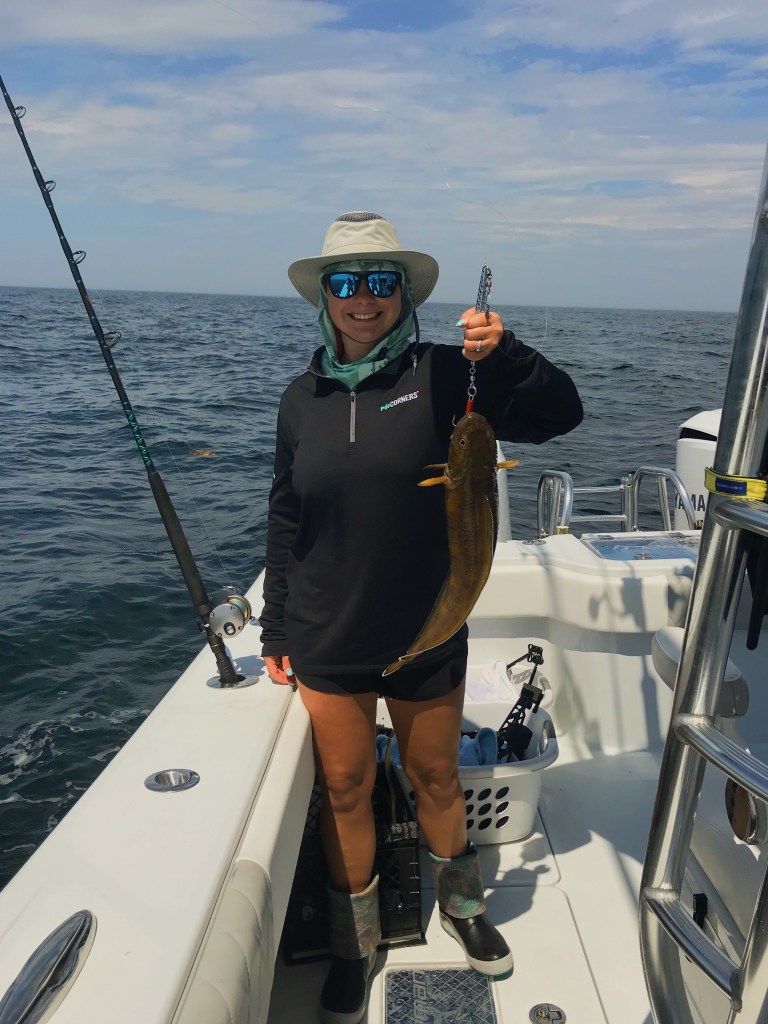
Me looking like a gleeful teenage boy with my cusk

By my third week of working on the boat and dealing with probably 20 sharks, I did not need to see another basking shark and was happy to move on to the next creature: the elusive Bluefin Tuna. Atlantic Bluefin can get up to 10 feet in length, and are prized for its high market value. (There is even a show called Wicked Tuna all about catching Bluefin Tuna. The Wicked Tuna boat actually was parked in the slip next to us and I got to meet some of the cast!) A tuna tends to go for $20-$40 dollars a pound, with larger fish weighing up to 1000 pounds. These smart fish are so difficult to catch because their lunate-shaped tail allows them to dart through the water. We headed out bright and early towards the south of Massachusetts, off the tip of Provincetown on the cape. The plan was to find a bait ball, a swirl of hundreds of smaller fish that “ball” together to confuse and make it difficult for predators to lock in on one specific fish. Larger fish would be feeding on the bait, so we were going to try to catch a tuna on a fishing hook. In theory, if you have a tuna on a line, its friends will swim with it for a while and the photographer would find it easier to take photos of the friends rather than trying to approach a single speedy tuna. 

Growing nauseous with each passing wave, we sat sloshing in the ocean when finally the pilot radioed that he had found something. We sped in the direction of the coordinates. From a distance, we could tell something was happening from the splashing and tails whipping out of the water. Both the tuna and the cormorant birds had found the bait ball and were trying to eat as many fish as possible before being interrupted by something much larger.  Everything was happening so fast, with water flying all over the place, I wasn’t even sure where to look. My heart raced as I listened for my next orders. When we got close enough, the first mate cast out a line into the middle of the school of tuna. He pulled it in quickly in hopes of attracting the attention of a fish, but instead, the fishing lure was chased by a flock of birds, and one bird got the hook stuck in its wing. Reluctantly, I grabbed a cloth and was instructed to hold the neck of the bird, so it couldn’t bite anyone, while someone else pulled the hook out. The bird did not enjoy being manhandled and protested as I tried to explain we were only trying to help. Within a minute the bird was free and trying to get at the fishing lure again! A moment later we caught another bird, and I had to grab the towel again to hold it down. The first mate was getting ready to throw the line for the third time when the party was interrupted. I turned my head at the sound of a large burst of air, and right off the bow was a 35-foot minke whale. The water ran off the side of its silky smooth body as it surfaced for air and took a deep breath before plowing through the bait ball, swallowing most of the fish and sending the tuna on the hunt for more bait. 

The engine was restarted and within a millisecond we could see some excited birds diving under the surface in the distance, indicating that another bait ball lurked below. We also saw a few fin whales, which look similar to minke whales except for a distinguishing white stripe on their right side. Soon they too would notice the bait, and it was a race. “The Orca” vs the fin whale; who would win? We gunned it towards the birds, as a fin whale swam beside us; for a few minutes the whale kept up with us at 25mph as it gracefully plowed through the surface. It felt like the whale and I had some sort of understanding, as I stared into the whites of its eye. In this intense moment of rushing off to the commotion in the distance, somehow, watching this creature break through the surface and glide was very calming. As soon as I went to take a photo the whale decided to dive down with a nice arch of its back. Still, I had the experience of staring into the eye of a gentle giant and feeling part of its world. How often do you get the chance to quite literally race with a large whale only about 20 feet away from you? 

By now, we had approached the bait ball, and the fishing line was thrown out again. I was looking over the side trying to catch a glimpse of one of the hundreds of fish hunting below, when a tuna almost swam directly into the hull of the boat. The sun reflected off the silver metallic side of a tuna’s skin and flashed a ray of light in my eyes, blinding me for a moment. We were smack dab in the middle of the school of tuna. The first mate was out of breath from casting the line repeatedly, trying to snatch the attention of a tuna, when finally one bit. As he rapidly began reeling in the line, I helped the photographer slip into the water. Within seconds, the fish got off the hook, and another whale broke up the bait ball. We continued in this cycle of finding bait ball after bait ball, and getting so close to catching a tuna but never being able to keep it on the line long enough for the photographer to get in the water. I felt defeated. These were some especially wicked tuna and they were the real winners of this competition. After a few more attempts, we gave up for the day and slowly meandered back to the mainland.

I was pleasantly surprised by how much I enjoyed being out on the water off of Massachusetts. A wide variety of wildlife is right in my backyard and so close to the city that I never knew was there. I probably saw thirty different whales that one day looking for tuna! We also spotted a large mola mola or a sunfish, a creature I have always found peculiar. These massive fish look like they were flattened by a car. We even discovered the liver from a whale carcass. We guessed it was the liver because of the oil spilling out of it, and it was the only part of the whale that we could find, the rest had probably been eaten. Since the liver filters out toxic materials, other carnivores would not be interested in eating that part because it would make them sick.
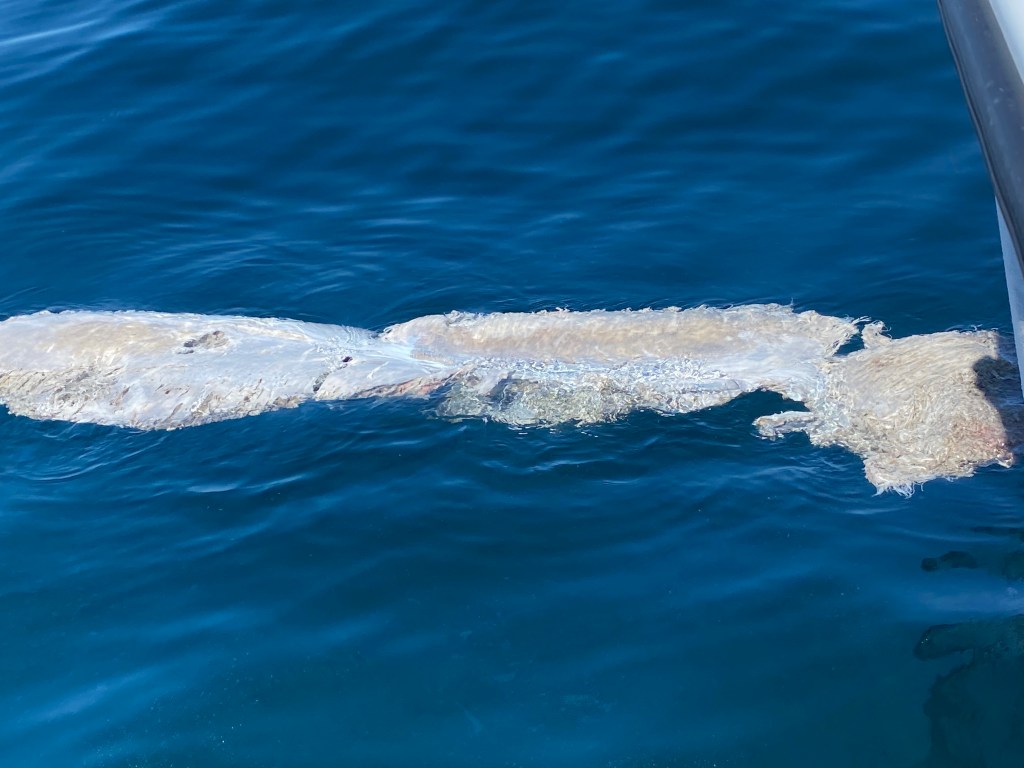
The delicious whale liver yummy!

I really grew to appreciate being out on the water, even in the lull moments when all you can do is close your eyes and bask in the sun. There is something intriguing about being out in the middle of the ocean, where so much could go wrong, and you never know what might happen next. Ten-foot waves on the surface prevent you from being able to see what quietly lurks below. The deep navy color of the water serves as a reminder that there is endless water between you and the seafloor. Out there, you are one with the sea, and it decides what is in store for you. I long for that cool sea breeze whipping through my hair, the ocean spray showering me with love, the sunburns, and even the calming and sometimes nauseating rocking of the boat.
Andros Island, Part 2

The Sandbank


Rolling over in bed I was startled awake by a bright ray of light shining directly on my eyes. The blazing sun was a sign that the streak of bad weather we had been having must have cleared up. Who knew it rained so much in the Bahamas! When you think of a vacation in the Bahamas, you immediately picture a white and blue bungalow on the beach with jet skis and hammocks. However, I was not staying in some hoity-toity resort; where I was, you did not turn the cabin light on at night in fear that you’d be greeted by the locals. And by locals, I mean the two-inch-long cockroaches! I had been staying at Forfar field station on Andros island for three weeks, participating in their 5-week educational program. Back at home, I was starting to get stir crazy due to the pandemic. It was crucial for me to get out of the house and leave New England’s winter, so rather spontaneously I applied for this course, and flew to Andros Island. Andros is the largest island in the Bahamas archipelago, but most of the land is part of the national park, so it happens to be the least populated. I was spending a month of my gap year here studying marine biology and adding to my collection of scuba certifications. So far we had barely been on the water because of the seemingly endless storm and instead were stuck in the classroom. The nice weather was not about to escape me without taking advantage of it.

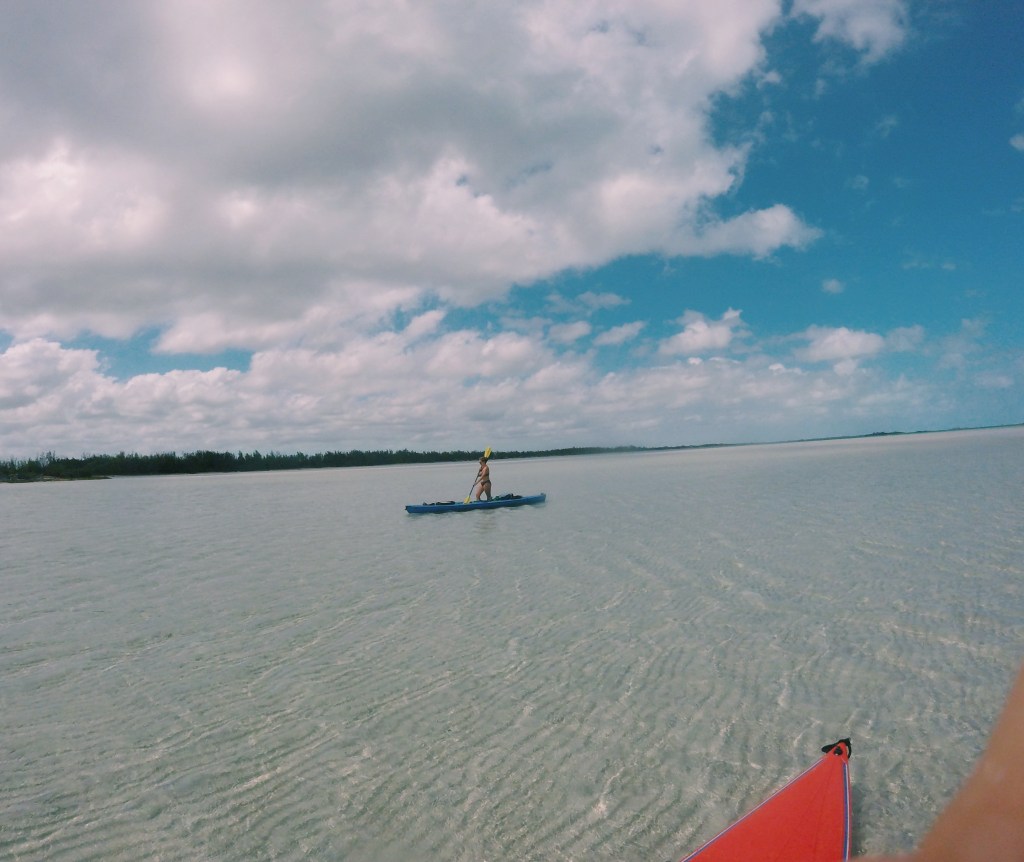
I threw on my bathing suit and shuffled through the sand to the main cabin for some scrambled tofu. There was still a bit of wind; the sand whipped at my ankles making them burn with each step. The wind meant that our lab, measuring populations of coral, was canceled since we wouldn’t have good visibility in the water. Instead, we could go off and explore the island as long as we were back in time for our mid-term. Even though there wouldn’t be any school credit for this course, I still couldn’t shake my testing anxiety. It would have been natural to prepare all day for the exam, but I knew there would be plenty of studying in my future. Time for me to step outside my comfort zone. My roommate, Sarah, had already made plans for her day, and I decided to tag along. So, we, with our friend Ryan, got three kayaks and prepared ourselves for what I thought would be a nice casual paddle. They were planning on kayaking a few miles, and unknowingly, I was along for quite a journey.

My weak arms could not keep up with the opposing winds. I always thought of myself as a strong kayaker, but compared to Sarah and Ryan, I was no Popeye (even with the amounts of spinach I was consuming). We paddled on and on, keeping the Eastern shore of Andros on our right, which consisted mostly of sand flats and mangrove ecosystems, and the open ocean on our left. I had come to this program to spend more time under the surface, where the only sound was my own thoughts. I find it rather peaceful deep down until my anxiety creeps in, and realize exactly how much pressure there is, keeping me 120 feet under. It felt like a nice contrast to instead be gliding along the surface, looking at the underwater world from a different angle. 

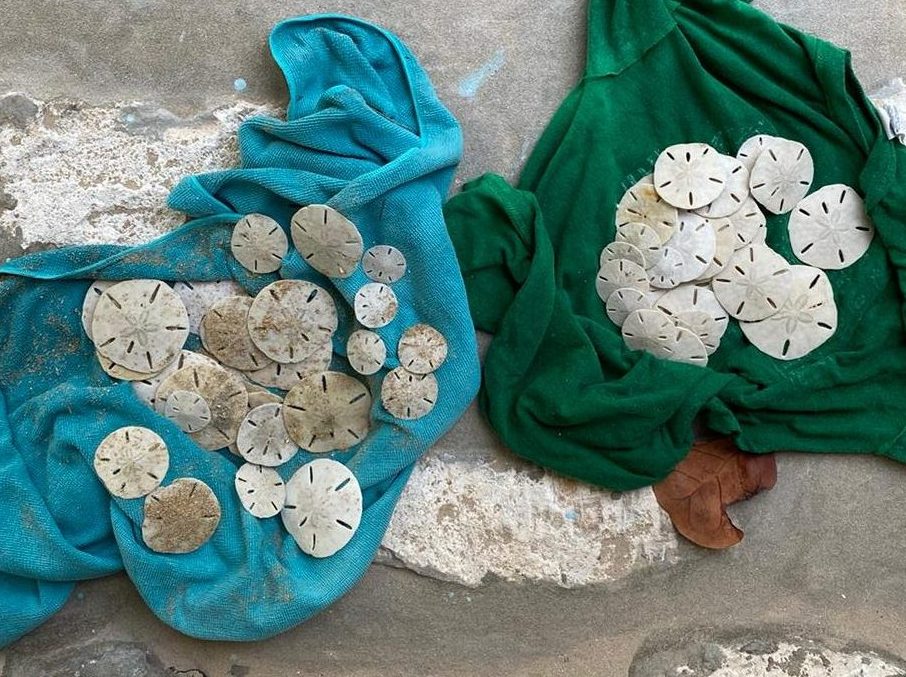
After about two hours of rowing, Sarah and Ryan beached their kayaks on a sandbar and frantically started picking unknown objects up from the sand. Unsure of why they were so frenzied, I got excited and quickly met up with them. I felt the sand crunch beneath my feet and bent down to pick up a piece of broken sand dollar. Brushing off the goopy sand from the half in my hand, I traced my finger along the delicate flower figure on the top of the rough sandpaper skeleton. The entire sandbank was filled with thousands of these milky white sand dollars, and I ran around collecting every one in my sight. (Little did I know that I would go to pack the sand dollars so poorly, that all I am left with today is the memory and a jar of sand dollar ashes. It’s almost as if they lost their magic as they were taken back to a more monotonous life.)

I had never seen anything like this, and while I was ecstatic, there was a sense of tragedy as all these sand dollars were dead. The bleached white color indicated that most likely the water was too hot for them to survive. We had learned about sand dollars the week prior; if they were healthy they would be dark brown and fuzzy. Still, I darted around digging through the sand pulling out each piece of my buried treasure. They ranged in size, some as big as my fist and others as small as a button. If anyone would have seen us, they would have thought we were three kids on the loose in a candy store, and we were determined to clean out the whole place! This was the moment my soul needed. After a rough year in the pandemic, the inner child in me came out, and I could finally release all the tension that had built up inside. 


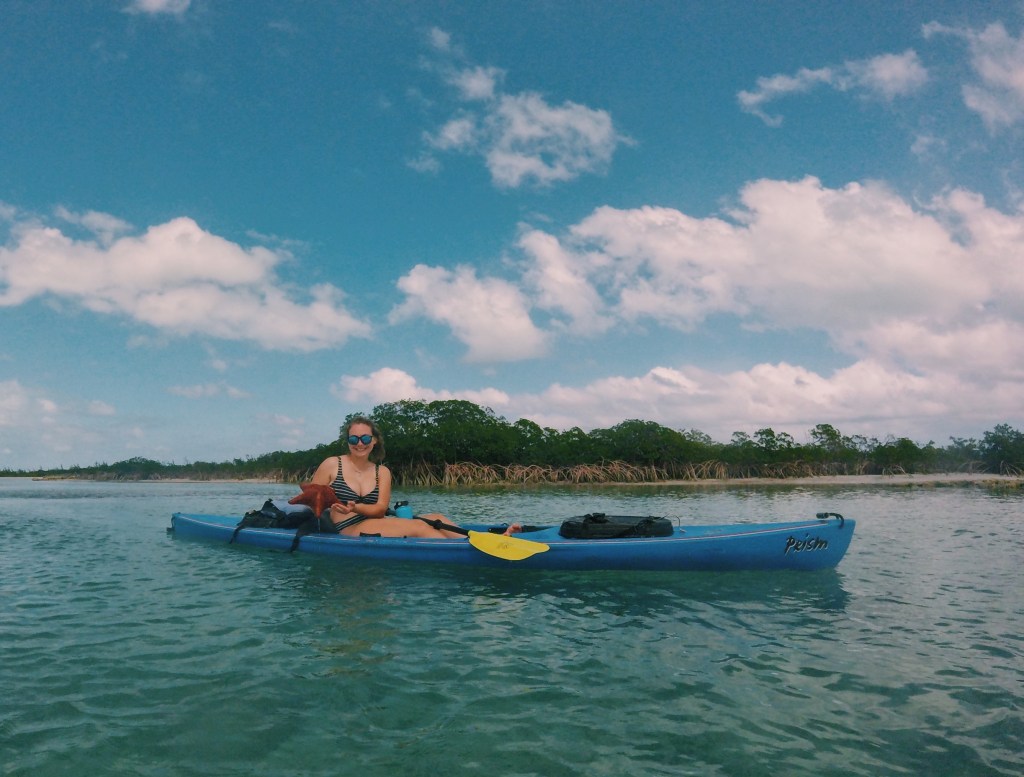
Once our kayaks were filled, we looked ahead and saw a turquoise channel heading to the right, into the main body of Andros. There was a smaller peninsula on the left of the channel, which protected the inlet from wind and harsh waves. The right side of the channel consisted of green bushy mangroves that were growing half in the shallow water and half on the limestone-covered land. Mangrove species are crucial for the survival of tropical ecosystems as they protect the land from large waves and erosion, serve as a fish nursery, and filter the water for pollutants. The peninsula on the left was part of the main island where it was only attached by one tiny strip of land farther south, and it looked starkly different from the luscious greenery to my right. The area was covered in pristine caramel beaches that looked like they had never been discovered before. 

Right away, as we paddled through the passageway, the blue-tinted sandy bottom morphed into various shades of orange and purple Caribbean Sea stars. The vibrant and prickly starfish were a sharp contrast with the silky picturesque sand bottom. I paddled to a shallower area and picked up a burgundy sea star and watched it suction its tiny arms to my hand. Sea stars are very peculiar animals, as they do not have a brain controlling their movements, and they have the ability to regenerate their limbs. After a moment of watching it wriggle around, I gently pulled it off my body as it tried to hold on with its tentacle-like arms, and placed it back in its spot. 

Continuing to paddle through the crystal blue channel, I kept my eye down under my kayak to see if anything passed beneath me. Because the peninsula was protecting this inlet, the water was as smooth as glass and any movement would be easy to detect. Before long a grey blob gilded under me; it was a large southern stingray! The ray was about 3 feet wide and was peacefully drifting with the tide, similar to how a bird coasts in the sky. Stingrays have gotten a bad rap ever since Steve Irwin’s death, but they are not naturally aggressive creatures and very rarely attack humans (I have actually kissed a stingray on the nose before). Although I was interested in getting a closer look at the ray, it was not so thrilled with me and it left some sand floating in its wake as it darted away. 

When we saw some houses on the beachy peninsula, we realized we had traveled four miles to the Kamalame resort (a fancy resort rumored to house various personalities, including Oprah!). We decided to turn around because our midterm was in only two hours. Unknowingly, we had been kayaking for three hours and were definitely pushing our luck. But at that moment I felt like this experience would stick with me more than some silly exam. Immersed in nature, with people I cared for and no other thoughts about what had to be done outside of that kayak, gave me the moment I needed to clear my head. Looking back at it now, maybe I should have spent a little more time studying, but I was on this trip for the experience and you couldn’t put a grade on that.

Before leaving the channel all three of us stopped abruptly; we had found ourselves in the middle of a group of Hawksbill turtles. These critically endangered sea turtles get their name from the shape of their mouth and have some of the most detailed shells. They are the most endangered sea turtles out of all 7 species and it is thought that there are only 8,000 nesting females left in the world. We watched as they whipped through the water and some even propelled themselves up and leaped through the air. I sat amazed staring at this once-in-a-lifetime sight unfolding before my eyes. At this moment, I was truly at peace. 

In that instant, all I could do was appreciate the place I was in and the people with me. The mid-term ended up being postponed until later in the day, so we were able to fill everyone in on our adventure (and take a nap). I learned that sometimes you just have to get in the kayak and not ask questions because you never know where the current might take you. Had I known that we would kayak a total of eight miles I probably would not have gone and would have missed out on one of the happiest moments of my life. Now, as I sit here at my desk, picturing this happy place in my head, I can feel the warmth from the sun spreading through my veins and the saltwater beginning to glass over my eyes.

Andros Island, The Bahamas

The Arrival


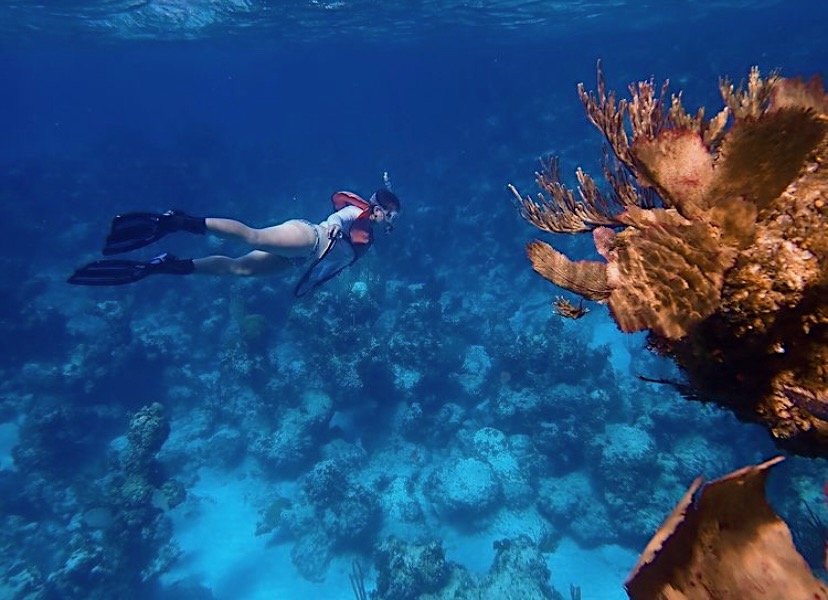
Snorkeling one day right on the Barrier Reef. Even though I look cool and majestic in this photo, my mask kept fogging up and it was not long before I gave up and got on the boat.

For those of you who don’t know, I decided to take a gap year this year before heading to Wellesley College for the fall of 2021. There were many reasons why I made this decision, but of course Covid-19 was a major factor. Back when I applied for my gap year to be approved, I thought that Covid would probably be over by the end of the summer. Boy was I wrong! I was so excited that during a year off that I would be able to travel and immerse myself in new cultures and really push myself outside of my comfort zone. Even though my year did not go as planned, I still pushed myself in doing what I could mid-pandemic. I wound up with a job working as a manager at a farm stand in New Hampshire and ended up working 40 hour weeks for six months straight. I could have stayed at the farm stand through the winter season, but decided that it was time for my next adventure. So I started googling programs that I figured were at a relatively low risk level for Covid exposure. I found a program called International Field Studies at Forfar Station, and before I knew it I was off to the Bahamas for five weeks!

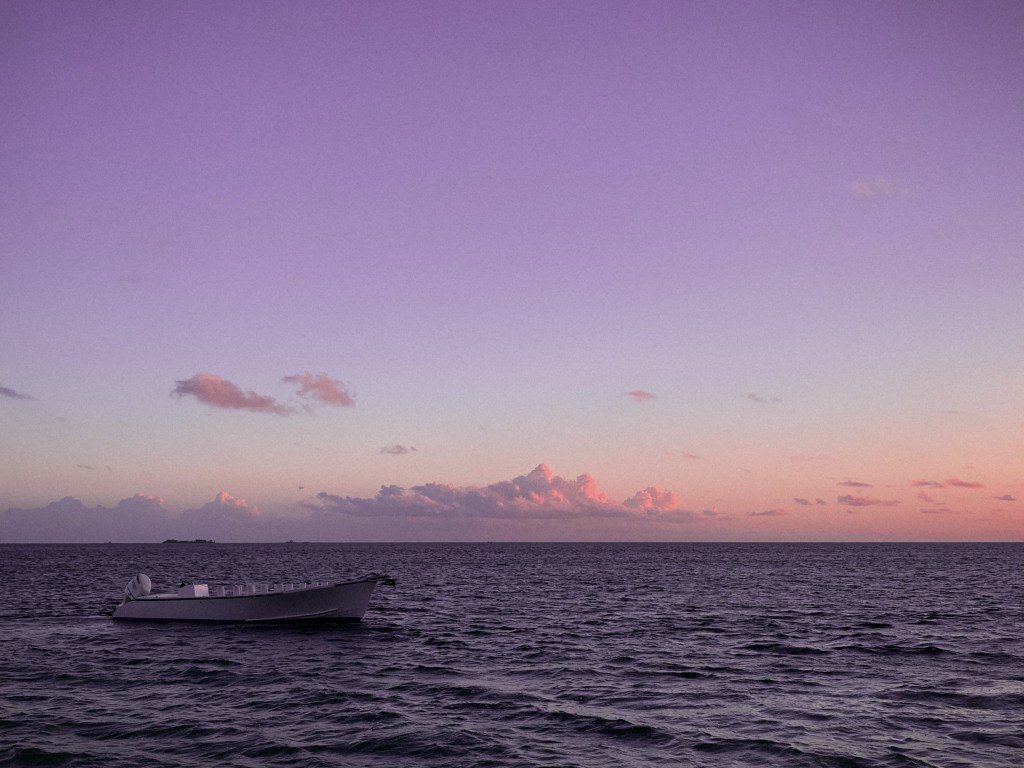
The sunrise one beautiful morning

I am sure you have figured out from the title of this blog that I struggle with traveling. It was time that I pushed myself out of my comfort zone and did something just because I wanted to, and not allow myself to change my mind out of fear. And … I did it!

On my departure day, I woke up at 4am so I could catch my early morning flight to Charlotte, North Carolina. I just so happened to be leaving Boston in the middle of a snow storm so my flight was a little bit delayed-but we made it-phew. Once we landed, for some reason the flight attendants were struggling to open the plane door… which was very frustrating to say the least as I had a very short connection at this point. Once they figured out the door situation, I ran through four terminals to catch my flight to Nassau; if I missed that flight, it meant finding a hotel to stay in Nassau overnight on my own, waiting for the next daily flight to Andros. Luckily, I made it in time and was able to meet up with one of the kids from the program, Aidan.

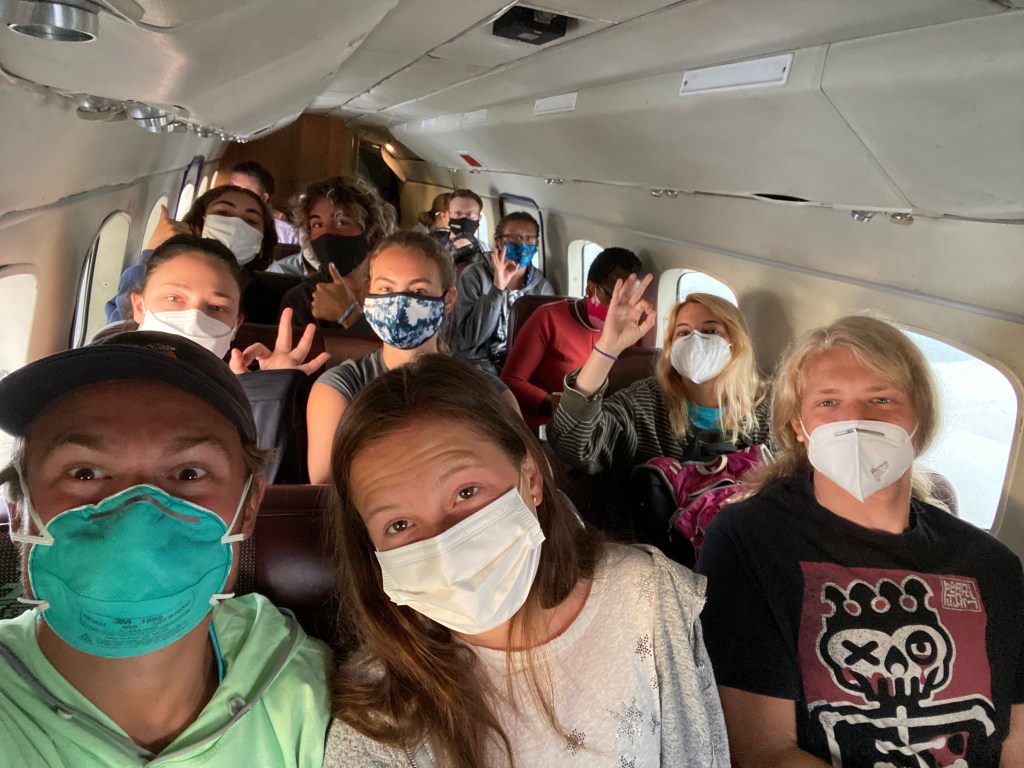
Thank god that I had Aidan with me when we landed, so I was not wandering by myself in Nassau, because I probably would have broken down crying in the middle of the airport. Instead, once we landed, we went through customs, got our bags, and headed to check in for our puddle jumper. I knew that my checked bag was over the 40lb weight limit (seriously who could fit five weeks worth of supplies including scuba gear in a bag weighing less than 40lbs!?). I was ready to pay the overweight fee but was very confused when I thought the woman at the desk told me that I would have to personally put my bag in the plane because it was too heavy? After asking her about 20 questions, I finally understood that she just wanted me to tip the men that had to carry my bag. I liked the idea of rather than paying the company an overweight fee, that I could instead tip the men directly helping me. At this point, the entire group (of 12, including me) met up in the line signing in for our flight, as we mostly filled the plane. We all went through security together and proceeded to play card games on the ground in the Nassau airport for 2 hours. They finally called our flight and somehow I was the only one who heard the announcement… slightly concerning. We crammed 20ish people on this tiny plane that was pretty much just strangers sitting on top of each other. The flight was 20 minutes long, but let me tell you, it was a loooong 20 minutes. I was so so happy when we made it safely to Andros island and were met by two of the Forfar program interns.

The tiny puddle jumper that took us from Nassau to Andros. I can personally confirm that it was an even tighter squeeze than this picture makes it look.

Before I continue, a little bit about the island: Andros is the biggest island in the Bahamas yet it has the smallest population. And, it’s actually not one island, but several close together islands connected by bridges, and for the most part, navigable only by one road. Most of the island is made up of uninhabitable mangrove conservation land. On the island, we were staying at the Forfar marine field station located on the East side of the island, and directly on the water. It was named for Archie Forfar, and pioneering scuba diver and researcher, who died a few decades ago.

And back to the scheduled program…from the airport we split into cabs to head to the station. I was very confused when one of the students got into the left front seat as I really thought they were about to drive the car. That is the moment when I realized that in the Bahamas, people drive on the left side of the road (ahhhh… Sarah, real deductive reasoning there). When we finally got to the station, I got help carrying my massive duffel (that, by the way, I totally can fit my entire body into-of course I tried, would you expect anything else?) to one of the very last cabins. The boys were placed in the cabins, while the girls were exiled to the “hotel.” Trust me it was very much not a hotel, but instead is four cabins that are somewhat connected but still separate. The walls were made out of chunks of pointy limestone that had lots of holes as we quickly learned by the amount of cockroaches and other bugs (not a complaint, but an observation of tropical living. I had several face-offs with the many, many bugs). On the very first night we learned to turn the lights on with our eyes shut for a full 5 seconds so all the cockroaches could scurry away without our knowing.

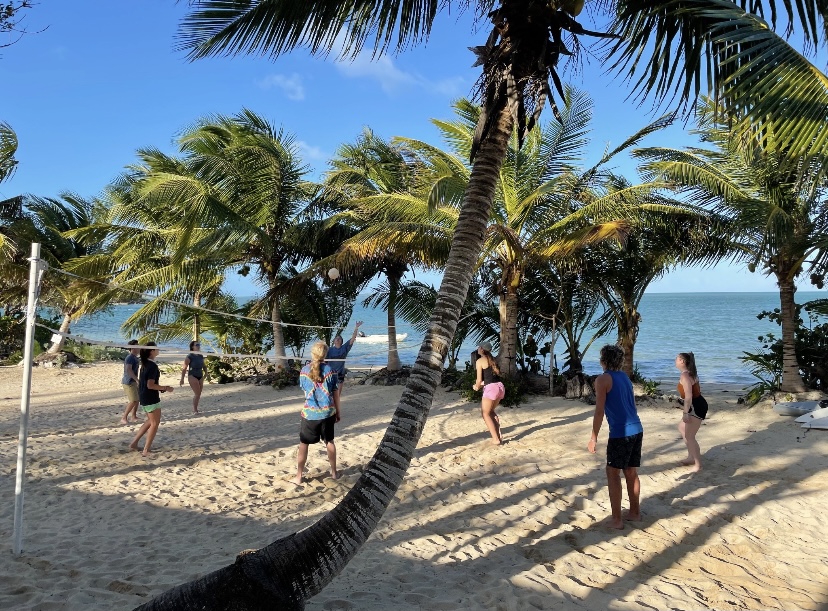
Turns out that my roommate’s name was also Sara (spelled the incorrect way, without the “h”, sorry Sara!). First thing we did once we claimed out beds, was throw on our bathing suits. We were apparently the last people with that idea, because by the time we were running on the beach, everybody else had already swam out into the water. We quickly learned that you can walk two miles straight out and the water would still only ever reach your hips. We floated in the water just happy to be somewhere warm and not be locked up at home (remember, winter pandemic). We were not out for long before they called us in for dinner. Since it was Friday night, we had pasta for dinner, and it was in all actuality the ONLY thing I had eaten all day; my stomach was so wrecked by anxiety while traveling, that I couldn’t even manage to swallow one singular goldfish cracker. After dinner we played a little beach volleyball while the sun set and the no-see-ums arrived. After one game, I went to bed and absolutely crashed. I managed to fall asleep at 7pm with all of the lights in the cabin on. By the time I woke up, it was a new day in a beautiful place and I was ready to start this adventure!

Playing a little beach volleyball. I tried my very best to not let the competitive side of me of me come out. But if you know me, you already know I was diving all over the place for that ball!

Key West, Florida


What weird times that we are currently living in. I hope that everyone is doing well and staying inside where it is safe. These are trying times and we have to remember to have patience with each other and do the best we can to keep each other safe. Currently, I am sitting here under the Florida sun, so I figured what better time than to offer some advice on how to maneuver Key West.

Having grown up in Boston my whole life, my family’s idea of a vacation was visiting my grandparents in the Florida heat. I have been all over Florida for all different reasons, but Key West is where I end up the most. Key West is quite the interesting place; I don’t know what other word to use besides interesting. Key West old town at night is not the place for young children, yet it is what I grew up knowing. There are homeless people, drunk people, naked people, crazy people, and tourists all walking on the same street. The main street in old town, Duval Street, is where all the bars and touristy shops are, and it is the place to be. I have hundreds of stories that I could go on and on about, but I have highlighted some of the best things to do on the island.

Food

  • Seven Fish (This is the best restaurant that I have ever eaten at. Ever.) $$$
  • Geiger Key
  • New York Pasta Kitchen
  • Chicos Cantina (must get garlic cilantro sauce)
  • Blue Heaven
  • Hogfish Bar and Grill
  • Schooner Wharf Bar
  • El Siboney Restaurant
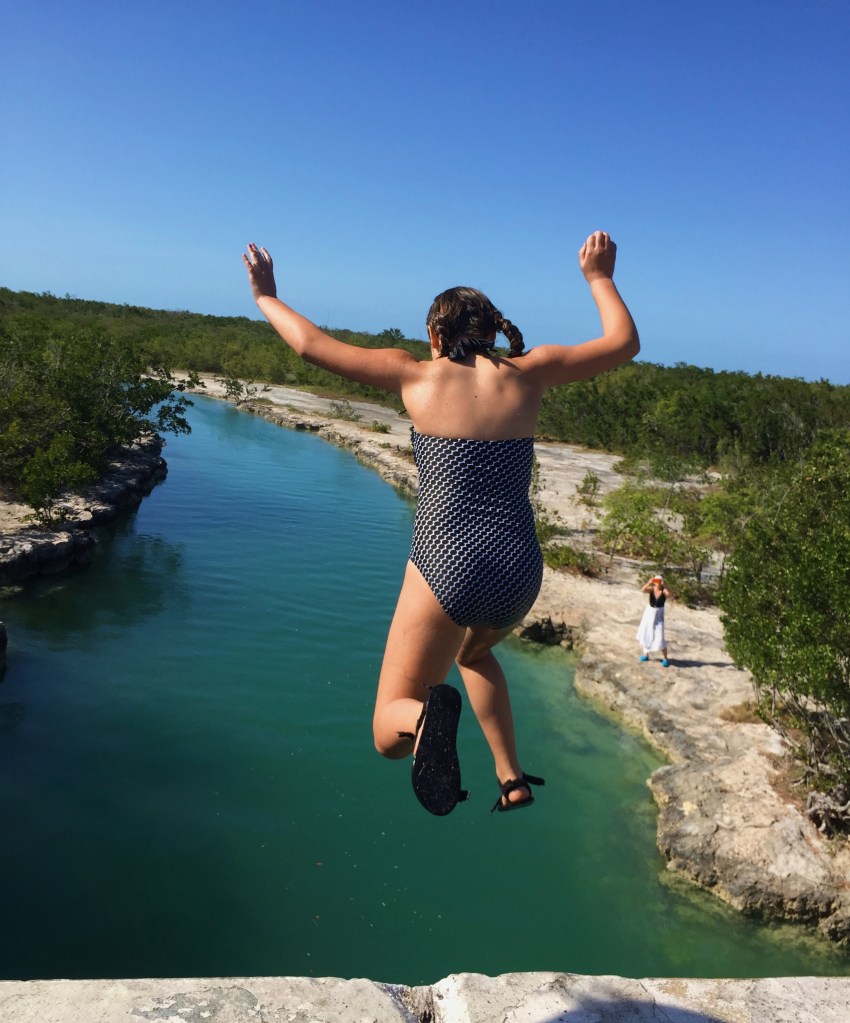
Bridge jumping at Sugarloaf key many, many, many years ago.

Things to Do

  • Sunset at Malory (have to find the cat man)
  • Go snorkeling (sand key is a nice spot)
  • Take a boat to Snipe Point
  • Go on a boat ride around the island
  • Walk Duval street at night
  • Go to Mathesons and get a giant cookie
  • Bridge Jumping on sugarloaf key (bring water shoes)
  • Say hi to a manatee
  • Blue Planet sunset kayak tours

Things NOT to do

  • Expect to go beaching (we don’t have beaches)
  • Visit Robert the creepy doll that will give you nightmares for life
  • Go shopping in the tacky t-shirt shops
  • Take a stray cat home (been there done that)
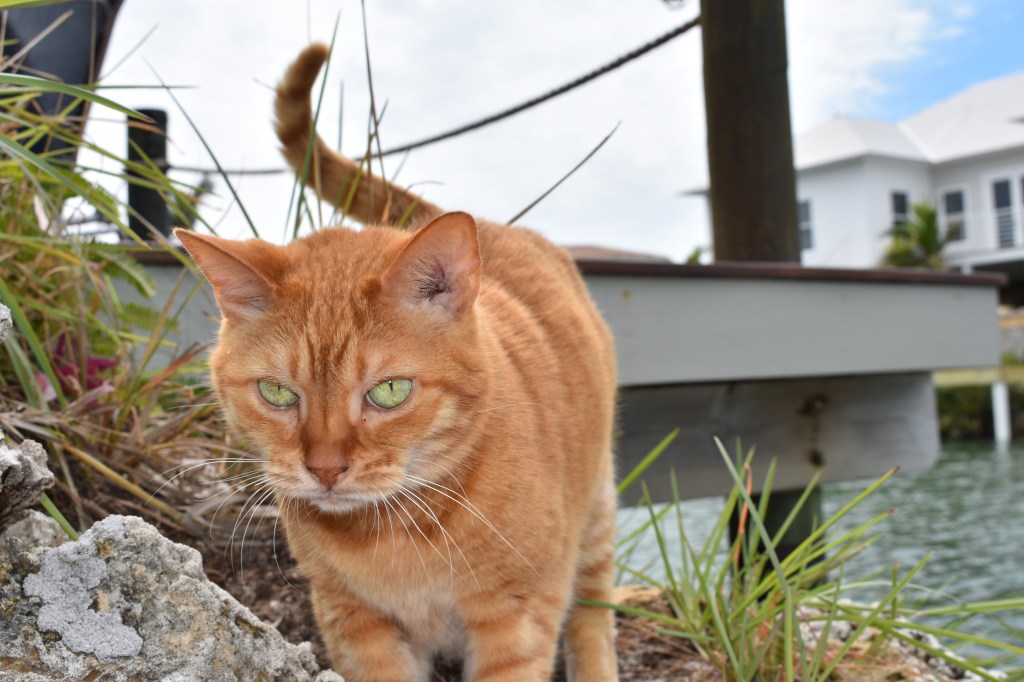
My pretty girl Havana that we rescued. Sadly she did not get along with my other cats and she now happily lives with a friend.

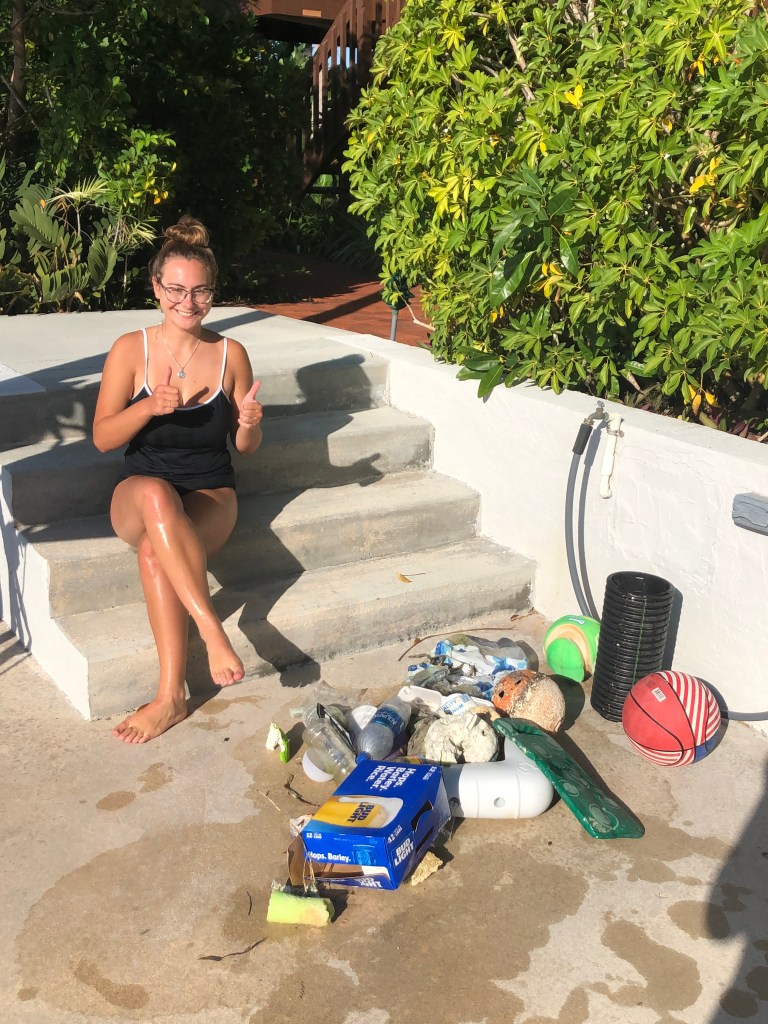
While I have the time, I figured I would share at least one story with you all. For this story you need to know that my grandparents house is located in a series of water canals. The past few days I have been borrowing a neighbors paddle board and have been going down the canals collecting trash. There is so much trash just floating along the water, and I have found that for some reason I actually enjoy picking up trash. Anyways, yesterday my mom and I were out picking up trash in this one massive canal. The trash tends to build up in the corners, and I learned that people are really nice when you are picking up trash for them. I also learned that picking up trash is not my mothers thing, for she was always expecting a dead body to be hiding under the sea grass. At one point, I was in one corner of the canal in between two houses and both neighbors came out, were chatting with me, and dumped my bucket of trash out. After moving on from that corner, there was another spot a few houses down that had a lot of trash in front. There was a young girl from New York staying at the house where all the trash was, and of course we started chatting with her. As I am chatting and picking up trash, I see a plastic bag and reach (with my bare hands) to pick it up. I quickly realize that it is not in fact empty. It looked like the bag was full of old meat, but the meat was not the only thing in the bag. As I pulled it up to throw into my bucket, I realized that the expired meat had been taken over by hundreds of maggots, and worst of all there was a hole in the bag as the contents were falling out. As my mother shouted at me to leave the bag, I threw the bag in the bucket and began dry heaving into the water. That might be a bit of an exaggeration, but I was definitely gagging. I do not know if the sight of the maggots or the stench of decaying meat was worse! After this incident we were pretty much done with trash, and we started making our way home. But as we were paddling back, we saw baby squids which made the whole thing worth it. Maybe not completely worth it because I had the smell of decomposition soaked into my hair and bathing suit. The squids were very cute and half an inch long, and when my mother moved her paddle she freaked them out enough that they inked. We finally made it home and disposed of the maggots, and disinfected the buckets like they were the very things that started COVID-19.

The trash collected after just one hour of collecting.

I tell you this story not to make you not come to Key West in fear that you will find floating bags full of maggots, but to hopefully to make you laugh. Key West is a very special place and while I am lucky to be here during my quarantine, I am very much looking forward to going home. Thank you for reading, and I hope that everyone is healthy and staying safe inside.

Design a site like this with WordPress.com
Get started